Graphic cards


362.60 €
In stock 20 units / In office 3 units
Pick up at office
tomorrow, 09.06
Pick up at office
tomorrow, 09.06
ID: 1227747
Product code: GV-N5060WF2OC-8GD
0% lease for 3 months
GPU model: GeForce RTX 5060
GPU core frequency: 2512 MHz
Power sockets: 1x 8-pin
RAM: 8 GB
Memory type: GDDR7
Cooling: Standard Cooler

369.00 €
In stock 36 units / In office 1 units
Pick up at office
tomorrow, 09.06
Pick up at office
tomorrow, 09.06
ID: 1233724
Product code: 11350-04-20G
0% lease for 3 months
GPU model: Radeon RX 9060 XT (8GB)
GPU core frequency: 3290 MHz
Power sockets: 1x 8-pin
RAM: 8 GB
Memory type: GDDR6
Cooling: Standard Cooler

479.99 €
In stock 21 units / In office >5 units
Pick up at office
tomorrow, 09.06
Pick up at office
tomorrow, 09.06
ID: 1233707
Product code: 11350-03-20G
0% leasing for 6 months
GPU model: Radeon RX 9060 XT (16GB)
GPU core frequency: 3290 MHz
Power sockets: 1x 8-pin
RAM: 16 GB
Memory type: GDDR6
Cooling: Standard Cooler

489.00 €
In stock 23 units / In office 3 units
Pick up at office
tomorrow, 09.06
Pick up at office
tomorrow, 09.06
ID: 1233708
Product code: 11350-02-20G
0% leasing for 6 months
GPU model: Radeon RX 9060 XT (16GB)
GPU core frequency: 3290 MHz
Power sockets: 1x 8-pin
RAM: 16 GB
Memory type: GDDR6
Cooling: Standard Cooler



589.00 €
In office >5 units
Pick up at office
tomorrow, 09.06
Pick up at office
tomorrow, 09.06
ID: 1216117
Product code: DUAL-RTX5060TI-O16G
0% leasing for 6 months
+ Gift 007 First Light
GPU model: GeForce RTX 5060 Ti (16GB)
GPU core frequency: 2632 MHz
Power sockets: 1x 8-pin
RAM: 16 GB
Memory type: GDDR7
Cooling: Standard Cooler

589.00 €
In office 3 units
Pick up at office
tomorrow, 09.06
Pick up at office
tomorrow, 09.06
ID: 1215558
Product code: GV-N506TEAGLEOC ICE-16GD
0% leasing for 6 months
+ Gift 007 First Light
GPU model: GeForce RTX 5060 Ti (16GB)
GPU core frequency: 2617 MHz
Power sockets: 1x 8-pin
RAM: 16 GB
Memory type: GDDR7
Cooling: Standard Cooler

599.00 €
In office 2 units
Pick up at office
tomorrow, 09.06
Pick up at office
tomorrow, 09.06
ID: 1301891
Product code: NE7506T019T1-GB2061R
0% leasing for 6 months
+ Gift 007 First Light
GPU model: GeForce RTX 5060 Ti (16GB)
GPU core frequency: 2572 MHz
Power sockets: 1x 8-pin
RAM: 16 GB
Memory type: GDDR7
Cooling: High-End Cooler

599.00 €
In office >5 units
Pick up at office
tomorrow, 09.06
Pick up at office
tomorrow, 09.06
ID: 1216369
Product code: N506T2-16D7X-191073N
0% leasing for 6 months
+ Gift 007 First Light
GPU model: GeForce RTX 5060 Ti (16GB)
GPU core frequency: 2602 MHz
Power sockets: 1x 8-pin
RAM: 16 GB
Memory type: GDDR7
Cooling: Standard Cooler

599.00 €
In office 3 units
Pick up at office
tomorrow, 09.06
Pick up at office
tomorrow, 09.06
ID: 1221499
Product code: GV-N506TWF2-16GD
0% leasing for 6 months
+ Gift 007 First Light
GPU model: GeForce RTX 5060 Ti (16GB)
GPU core frequency: 2572 MHz
Power sockets: 1x 8-pin
RAM: 16 GB
Memory type: GDDR7
Cooling: Standard Cooler

686.67 €
In stock >50 units / In office 2 units
Pick up at office
tomorrow, 09.06
Pick up at office
tomorrow, 09.06
ID: 1223615
Product code: ZT-B50700E-10P
0% leasing for 6 months
+ Gift 007 First Light
GPU model: GeForce RTX 5070
GPU core frequency: 2512 MHz
Power sockets: 1x 16-pin
RAM: 12 GB
Memory type: GDDR7
Cooling: Standard Cooler

754.07 €
In stock >50 units / In office 1 units
Pick up at office
tomorrow, 09.06
Pick up at office
tomorrow, 09.06
ID: 1198504
Product code: 90YV0L71-M0NA00
0% leasing for 6 months
GPU model: Radeon RX 9070 XT
GPU core frequency: Not specified
Power sockets: 3x 8-pin
RAM: 16 GB
Memory type: GDDR6
Cooling: High-End Cooler

765.25 €
In stock >50 units / In office 2 units
Pick up at office
tomorrow, 09.06
Pick up at office
tomorrow, 09.06
ID: 1198454
Product code: 11348-03-20G
0% leasing for 6 months
GPU model: Radeon RX 9070 XT
GPU core frequency: 2970 MHz
Power sockets: 2x 8-pin
RAM: 16 GB
Memory type: GDDR6
Cooling: High-End Cooler

899.30 €
In office 1 units
Pick up at office
tomorrow, 09.06
Pick up at office
tomorrow, 09.06
ID: 1198452
Product code: 11348-01-20G
0% leasing for 6 months
GPU model: Radeon RX 9070 XT
GPU core frequency: 3060 MHz
Power sockets: 1x 16-pin
RAM: 16 GB
Memory type: GDDR6
Cooling: High-End Cooler

1,003.26 €
In office 1 units
Pick up at office
tomorrow, 09.06
Pick up at office
tomorrow, 09.06
ID: 1215777
Product code: GV-N507TWF3-16GD
0% leasing for 6 months
+ Gift 007 First Light
GPU model: GeForce RTX 5070 Ti
GPU core frequency: 2452 MHz
Power sockets: 1x 16-pin
RAM: 16 GB
Memory type: GDDR7
Cooling: High-End Cooler

1,037.87 €
In stock 18 units / In office 3 units
Pick up at office
tomorrow, 09.06
Pick up at office
tomorrow, 09.06
ID: 1291509
Product code: GV-N507TWF3OCV2-16GD
0% leasing for 6 months
+ Gift 007 First Light
GPU model: GeForce RTX 5070 Ti
GPU core frequency: 2497 MHz
Power sockets: 1x 16-pin
RAM: 16 GB
Memory type: GDDR7
Cooling: High-End Cooler

1,048.78 €
In stock 7 units / In office 1 units
Pick up at office
tomorrow, 09.06
Pick up at office
tomorrow, 09.06
ID: 1194029
Product code: V531-092R
0% leasing for 6 months
+ Gift 007 First Light
GPU model: GeForce RTX 5070 Ti
GPU core frequency: 2482 MHz
Power sockets: 1x 16-pin
RAM: 16 GB
Memory type: GDDR7
Cooling: Standard Cooler

1,079.32 €
In office 2 units
Pick up at office
tomorrow, 09.06
Pick up at office
tomorrow, 09.06
ID: 1223744
Product code: V531-240R
0% leasing for 6 months
+ Gift 007 First Light
GPU model: GeForce RTX 5070 Ti
GPU core frequency: 2580 MHz
Power sockets: 1x 16-pin
RAM: 16 GB
Memory type: GDDR7
Cooling: High-End Cooler

1,199.00 €
In office 2 units
Pick up at office
tomorrow, 09.06
Pick up at office
tomorrow, 09.06
ID: 1193453
Product code: TUF-RTX5070TI-O16G-GAMING
0% leasing for 6 months
+ Gift 007 First Light
GPU model: GeForce RTX 5070 Ti
GPU core frequency: 2610 MHz
Power sockets: 1x 16-pin
RAM: 16 GB
Memory type: GDDR7
Cooling: High-End Cooler

1,299.00 €
In office >5 units
Pick up at office
tomorrow, 09.06
Pick up at office
tomorrow, 09.06
ID: 1194027
Product code: V531-095R
0% leasing for 6 months
+ Gift 007 First Light
GPU model: GeForce RTX 5080
GPU core frequency: 2640 MHz
Power sockets: 1x 16-pin
RAM: 16 GB
Memory type: GDDR7
Cooling: Standard Cooler

4,199.00 €
In office 2 units
Pick up at office
tomorrow, 09.06
Pick up at office
tomorrow, 09.06
ID: 1186901
Product code: ZT-B50900J-10P
0% leasing for 6 months
+ Gift 007 First Light
GPU model: GeForce RTX 5090
GPU core frequency: 2422 MHz
Power sockets: 1x 16-pin
RAM: 32 GB
Memory type: GDDR7
Cooling: High-End Cooler

4,199.00 €
In office 1 units
Pick up at office
tomorrow, 09.06
Pick up at office
tomorrow, 09.06
ID: 1186883
Product code: GV-N5090GAMING OC-32GD
0% leasing for 6 months
+ Gift 007 First Light
GPU model: GeForce RTX 5090
GPU core frequency: 2550 MHz
Power sockets: 1x 16-pin
RAM: 32 GB
Memory type: GDDR7
Cooling: High-End Cooler

4,299.00 €
In office 1 units
Pick up at office
tomorrow, 09.06
Pick up at office
tomorrow, 09.06
ID: 1224033
Product code: 90YV0LW3-M0NA00
0% leasing for 6 months
+ Gift 007 First Light
GPU model: GeForce RTX 5090
GPU core frequency: 2467 MHz
Power sockets: 1x 16-pin
RAM: 32 GB
Memory type: GDDR7
Cooling: Liquid Cooling Solution
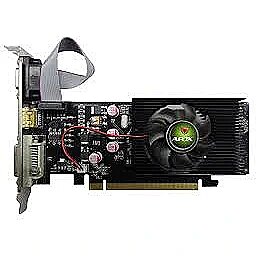
50.55 €
Can be ordered 30 units Availability: 14 days after order approval
Pick up at office
25.06
Pick up at office
25.06
ID: 568144
Product code: AF210-1024D2LG2
GPU model: GeForce GT 210
GPU core frequency: 589 MHz
Power sockets: None
RAM: 1 GB
Memory type: DDR2
Cooling: Standard Cooler

50.55 €
Can be ordered 20 units Availability: 14 days after order approval
Pick up at office
25.06
Pick up at office
25.06
ID: 949268
Product code: AF210-1024D2LG2-V7
GPU model: GeForce GT 210
GPU core frequency: 460 MHz
Power sockets: None
RAM: 1 GB
Memory type: DDR3
Cooling: Standard Cooler